For Alex Lawrence-Milia, managing director of Mr Lyan Venues, the a bar menu should derive from collective work rather than individual ownership.
We’re discussing the second menu that the New York iteration of Seed Library has launched since its opening in November 2025. The process of creating that menu, which went live on 9 June, begins with the whole team and only narrows once the idea has shape.
“We always begin with a full team briefing. Some of the spaces operate under a storytelling concept and some start straight away with ingredient ideation. All of this is done on paper so we can distil down what we think interests the whole team at the time. This allows us authentic buy in and ownership as a collective”.
“It creates our best work to think as a unit and we avoid my drink mentality at all costs. Essentially, at Seed Library New York we create a massive list of ingredients that relate to the team or to New York, then we decide to perfectly extract them or radically transform them. Once these ingredients are in a good shape, we decide what cocktail style would express them best and the rest takes care of itself”.
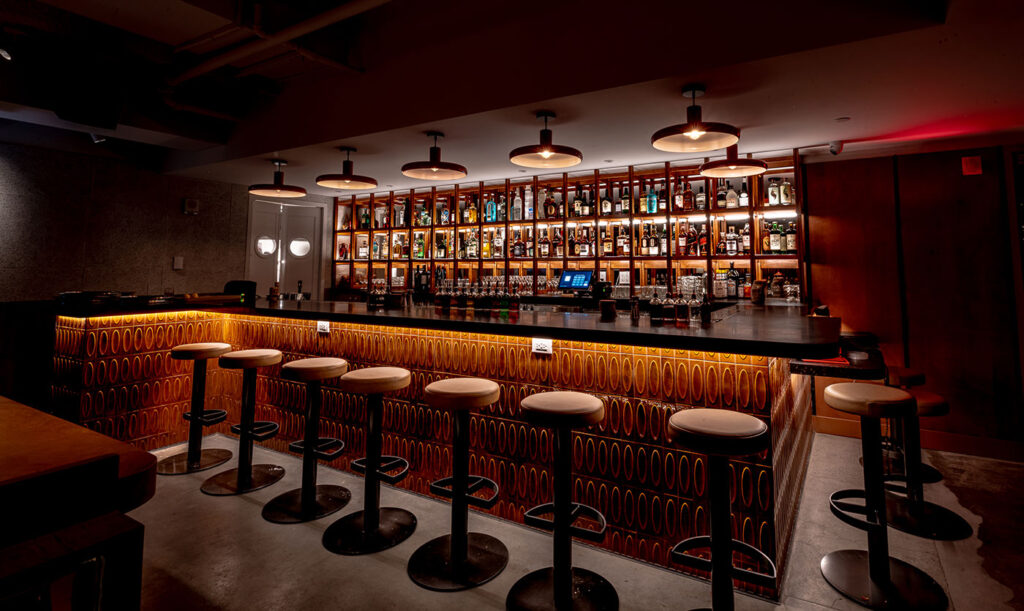
Welcome to Seed Library, which is in New York
Who is the bar menu for?
The guest matters, but Lawrence-Milia does not think that means beginning with trend reports or trying to please everyone. The team starts with what feels exciting and trusts that clarity to travel to the guest.
“Firstly we look at what excites us. This can then translate to the guest. Our team are also our guest base, so keeping it true to ourselves tends to translate well”.
“That being said, we do have a Lyan styling globally, so our sense of balance and flavour is on us. The spirits choices tend to reflect a local palette but ultimately you should feel you’re in a Lyan bar with New York styling as opposed to another New York cocktail bar”.
What makes a cocktail earn its place?
A strong idea is not enough. It has to work once it leaves paper and becomes a drink.
“Most importantly is proof of concept. The ingredients need to be spectacular on their own and then the cocktail needs to express them well”.
“Not all ideas work out the way we intended on paper and if it’s not clicking then it’s not on the menu”.
Balance originality with what people will order
Mr Lyan pays attention to local preferences, but does not let them dictate the entire menu. Classics give the bar flexibility, while the menu drinks allow the team to express its own ideas.
“We’re sensitive to the rhythm of local preferences, so daisies and Martinis seem to be a hit at the moment. However, we don’t shy away from choosing styles that fit the ingredient best”.
“We’re very proud of our classics as much as our menu drinks, so we’ll always be able to make something that fits every guest and occasion. This way we’re not forced to yield to trends and we’re able to express work that we confidently believe is brilliant”.
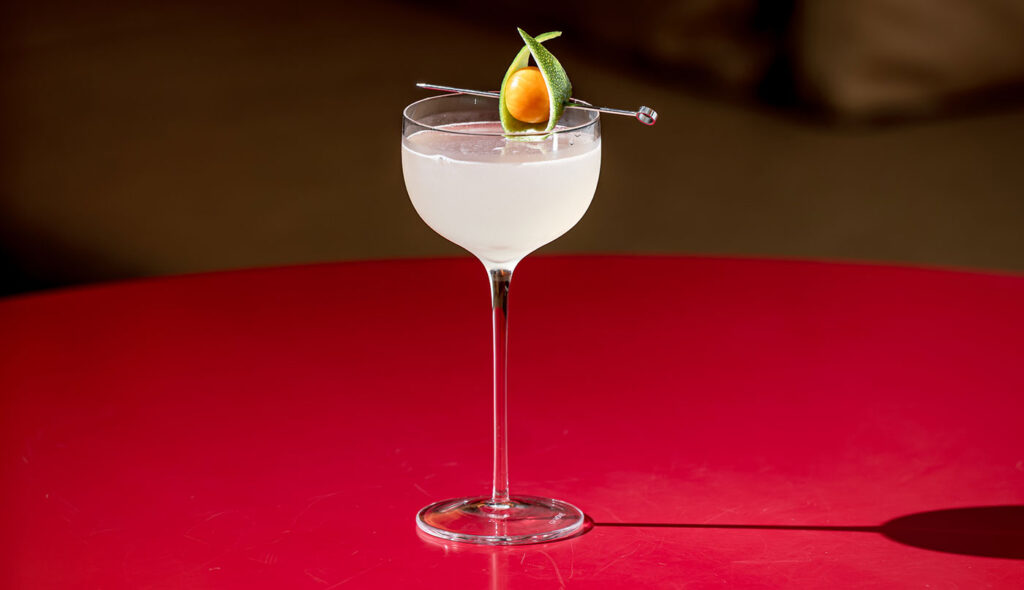
Celery Daisy was inspired by the original Seed Library’s London home
Building flavour and seasonality
The menu has to work for more than launch week. For Lawrence-Milia, seasonality matters, but it has to be considered alongside the lifespan of the menu.
“Building flavour is about experience, picking the right technique and balance. Ingredients should feel exciting at the time of creation to the core Lyan team and the local team”.
“Seasonality is something we need to embrace where we can but understand these menus run anywhere from six to twelve months, meaning we can use best in class ingredients but have to be conscious of any changes over the years”.
“Our one-off drinks heavily embrace seasonality where they can, the rest can allow us to embrace a natural variance with care”.
How important are cost, prep, and speed?
Lawrence-Milia sees speed and efficiency as part of the design process rather than something added at the end. More work happens before service so the front of house experience can feel cleaner and more consistent.
“Making drinks quickly and efficiently is a design process that is always built in to our bars”.
“Prep is monolithic in comparison to the traditional bar model but paramount to our front of house speed and consistency. Margins we aim to be healthy, which is challenging when our mise en place can sometimes cost as much as our spirits, but we’ve managed to find a sweet spot of healthy margins with maximum flavour”.
The role of the wider team
The process of menu development at Mr Lyan starts inclusively, then narrows as the detail becomes more technical. The aim is for everyone to understand the journey, not just the final specs.
“We involve everyone at the beginning of the process to ensure the team feels their fingerprint on the menu process, something we’re very proud of. We tee up the creative briefs to be inclusive for everyone, not just those with experience.”
“As the menu progresses it tends to funnel down to the more senior team to deliver the detail. The team are tapped in with regular meetings and updates so everyone remains on the journey”.
“Final tastings and finishing is presented to the team for feedback. All voices and opinions help form our finished product”.
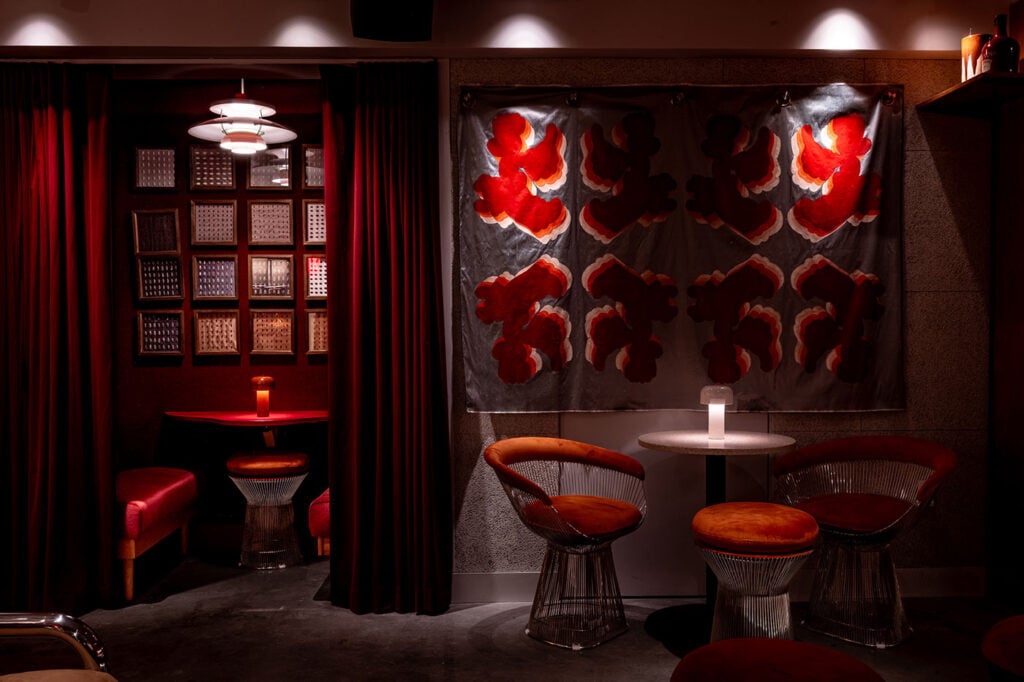
Seed Library’s second menu lands with 10 new signature cocktails
Everything by design
Mr Lyan uses design and storytelling to invite curiosity, but doesn’t want to over-explain. Some guests want to ask questions. Others just want to order without reading a short novel in menu form.
“Design is a key aspect of all our bars. We work with superstars Magpie design agency to ensure everything feels premium and considered in our spaces”.
“The naming, description, and storytelling should be there to encourage guests to ask a little more about the drinks. We try to avoid showing all the magic to encourage the engaged guest to ask more and the less bothered guest to not feel overwhelmed”.
“Ultimately, all the thinking, stories, and mishaps allow us to bring guests into our world. People buy into the process, not the product”.
What are the biggest mistakes bars make?
For Lawrence-Milia, the danger comes from rushing and from ego. A menu needs time, systems, training, and collective ownership.
“Launching a menu too quickly seems to be the largest mistake. This is down to not allocating enough time for development, training, tasting, and most importantly systems and documentation. Poor preparation equals poor performance”.
“The fastest way to ruin a menu is too much individual ownership. When the teams are only focused on their drinks you’re creating separation of ownership in the space and a lack of cohesion for the guest experience, not to mention the ego complications that arise”.
Tweaks and red flags
At Mr Lyan, the printed menu is not treated as something to be constantly culled, though descriptions and details can shift if a drink is not landing as intended.
“Nothing goes off menu. Sometimes we’ll tweak description as it’s not landing or perhaps workshop continually to adapt to feedback and our own personal ambitions”.
Lawrence-Milia is more suspicious of imitation than any specific ingredient or serve style.
“Emulation of everyone else’s drink styles and ingredients is overrated. Do what excites you and the guests will feel that.”
His biggest red flag is irony.
“I think the bad drinks, good chat mentality of some bars is tired and holding us back as an industry. Not everything needs to be conceptual or serious, but we do need to all be proud of what we put out and backing ourselves. We have enough problems of not being taken seriously as an industry. We don’t need to add to that”.
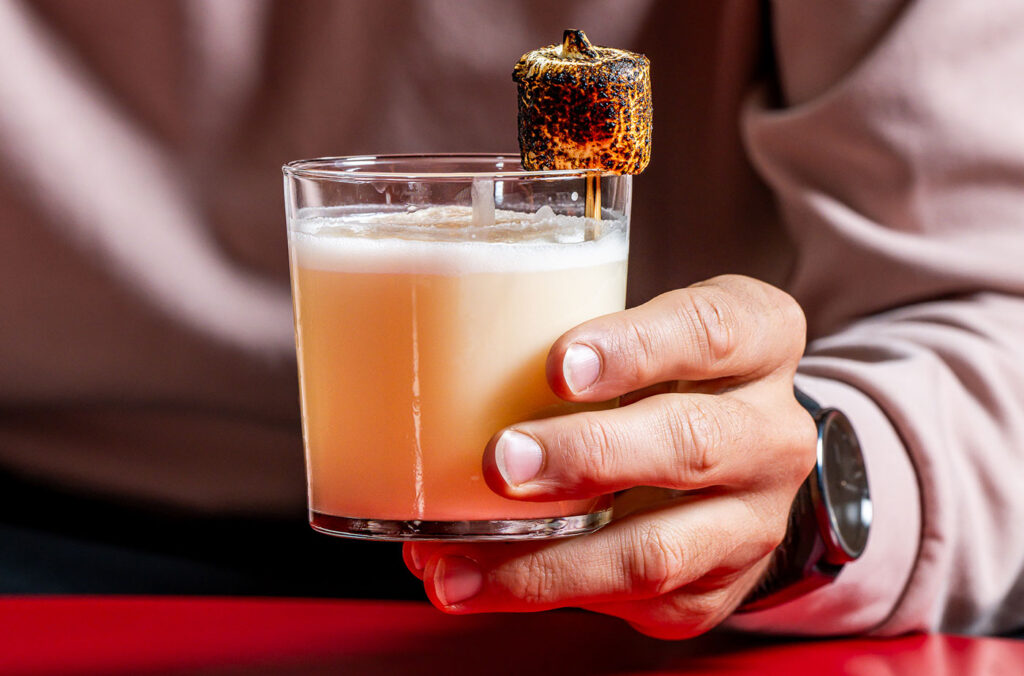
New cocktails like Koji Hardshake are joined by Lyan Classics like the Coriander Seed Gimlet and BC3 Negroni.
What drink always sells?
Some drinks remain popular because people like them. Radical, I know.
“Espresso Martinis. They can be made well, they’re bad when they’re made fancy and objectively making a guest happy is far more important than being judgy”.
“Luckily our team are set very clear expectations that we’re not above making any drink as long as we have the ingredients”.
“Every bar should be able to make a good Martini. It’s now a solid staple in folks’ vocabulary. On menu? Not entirely necessary unless you’ve got something really good to say within that category”.
As for a classic drink that more bars should learn properly?
“London Calling. Gin, fino, lemon, and orange bitters. Arguably one of the greatest modern classics and a daisy that almost everyone universally finds delicious”.
Short menu or a big one?
For Mr Lyan, shorter menus tend to work best, provided the bar can still deliver classics and off-menu requests.
“That’s highly dependent on location. Eight to 16 boozy and four to six non-alcoholic drinks seems to be the sweet spot for us”.
“I’d personally recommend shorter menus but explain that we can do a ton off menu too if nothing takes their fancy. The key is to set the bar up to make hundreds of classics and make the menu really efficient and clear”.
A lot of the work that goes into a bar menu isn’t glamorous.
“Excel documentation and training materials. Proper prep schedules, a how to talk about these drinks documents, constant formulas for batching, the list goes on. But these back of house documents being in order are absolutely paramount for success”.
“I guess the day of the menu flip is the worst day too. But the juice is always worth the squeeze”.
For Lawrence-Milia, a bar menu succeeds when the whole team understands the idea, the ingredients justify their place, and the systems behind the drinks are as strong as the serves themselves. The enemy is rushing and ego. The answer is process, preparation, and drinks that people… well, drink.
We’re always interested in hearing about new launches, producer stories, category insight, venue news, and trade ideas worth sharing. If you’ve got something our buyers, bartenders, retailers, or drinks industry readers should know about, get in touch by emailing content@masterofmalt.com.